
Does Sleeping on Your Right Side Help Reduce Snoring?
Snoring may seem like a harmless nighttime nuisance, but it can be influenced by a surprising number of factors, including body weight, allergies, alcohol use, sleep quality, breathing patterns, and even the position you sleep in.
One of the most common questions people ask is whether sleeping on the right side helps reduce snoring—or makes it worse. The answer depends on the cause of the snoring, but research offers some useful clues.
Why Your Sleep Position Matters
Snoring happens when airflow becomes partially blocked during sleep. As the muscles in the throat relax, the airway narrows, causing surrounding tissues to vibrate and produce the familiar snoring sound.
This is why sleeping on your back is often the worst position for snoring. Gravity pulls the tongue and soft tissues backward, making the airway even narrower.
Sleeping on either side generally helps keep the airway more open, which is why many people notice less snoring when they avoid sleeping on their backs.
Is Sleeping on the Right Side Good for Snoring?
For many people, yes. Sleeping on the right side often reduces snoring compared to back sleeping. However, it may not be the ideal position for everyone.
1. Better Airway Support
When you sleep on your side, your tongue is less likely to fall backward and block the airway. This alone can significantly reduce snoring.
From this standpoint, right-side sleeping is usually an improvement over back sleeping. However, some sleep experts believe that left-side sleeping may provide slightly better airway stability for certain individuals.
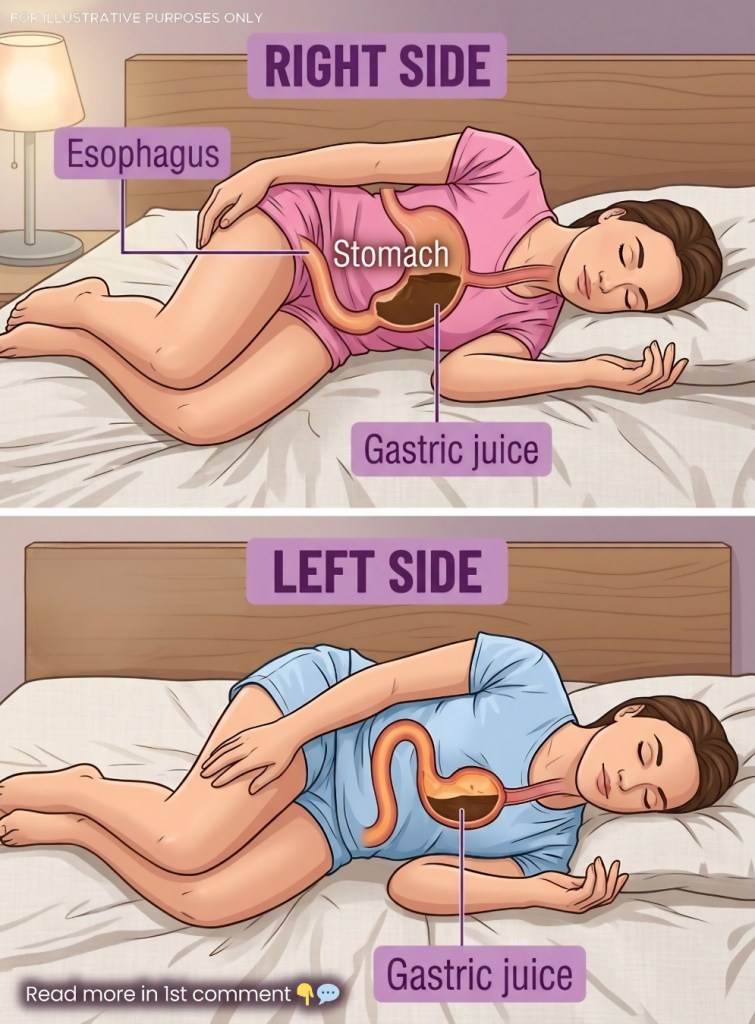
2. Acid Reflux Can Play a Role
Acid reflux can irritate and inflame the throat, making snoring worse.
Studies suggest that sleeping on the right side may increase reflux symptoms because of the way the stomach and esophagus are positioned. As a result, people with GERD or frequent heartburn may experience more throat irritation during the night, potentially leading to louder snoring.
Sleeping on the left side is often recommended for reflux sufferers because it tends to reduce acid exposure.
3. Nasal Congestion Matters Too
For some people, snoring is caused more by nasal blockage than by throat narrowing.
Because gravity affects blood flow in the nasal passages, lying on one side can sometimes increase congestion in the lower nostril. If you’re prone to nasal congestion, sleeping on your right side may occasionally worsen snoring by making the right nasal passage feel more blocked.
When Right-Side Sleeping May Help
Sleeping on your right side may reduce snoring if:
- Your snoring mainly occurs when sleeping on your back
- You do not suffer from acid reflux
- Your snoring is mild and position-related
- Left-side sleeping causes shoulder or hip discomfort
In these situations, right-side sleeping can be a simple and effective solution.
When It May Make Snoring Worse
You may want to avoid right-side sleeping if:
- You frequently experience acid reflux or heartburn
- You have moderate to severe sleep apnea
- You often wake up with a sore throat or hoarse voice
- Your snoring is linked to throat irritation or inflammation
For these individuals, left-side sleeping may provide better results.
Simple Ways to Reduce Snoring
If you prefer sleeping on your right side but still snore, these habits may help:
- Elevate your head slightly with a supportive pillow
- Avoid alcohol several hours before bedtime
- Treat nasal congestion with saline rinses or a humidifier
- Maintain a healthy weight
- Switch to your left side if reflux symptoms occur during the night
The Bottom Line
Sleeping on your right side is usually better than sleeping on your back when it comes to reducing snoring. However, it isn’t necessarily the best position for everyone.
If acid reflux, sleep apnea, or chronic throat irritation contributes to your snoring, sleeping on your left side may offer greater relief. The key is finding the position that allows you to breathe comfortably and sleep soundly.
Sometimes, a small change in sleeping position can make a surprisingly big difference—for both you and anyone trying to sleep nearby.